Reclaiming Joy in Your Journey
Teaching Beyond the Test
When I was in the classroom, I often wrestled with the disconnect between what really mattered in my students’ learning journeys and what was assessed on a state exam. My students were thinkers, creators, empathizers, problem-solvers—and yet, the system only wanted to see how they deciphered a multiple choice question.
Some of the most powerful moments I witnessed—deep reflections, big “aha” questions, student-led collaboration—were mine alone to see. -That never sat right with me.
Now, as an instructional coach, I strive to help teachers not only notice these moments but also celebrate them. We deserve to recognize and honor how far students grow—beyond a singular data point.
But let’s be honest:
Teachers today are too often forced to defend their craft. Pressured to conform. Then evaluated on results that reflect neither the full scope of their effort nor the true growth of their students.
It’s frustrating, yes—but it doesn’t have to be defeating.
As Annie Brock, co-author of The Growth Mindset Coach, reminds us:
“You are not just teaching students—you are growing humans.”
We have the power to teach the standards without standardizing our teaching. In fact, we must. Because we are the bridge between what is expected and what is essential. We are the architects of learning that is culturally responsive, emotionally grounded, and future-facing.
Below are 4 intentional ways to elevate student learning while still holding space for innovation, identity, and human growth.
1. Teach Students to Survey, Question, and Think with the Text
Surface-level reading is not enough. To become authentic readers, students must interact with the text—questioning it, noticing patterns, and shaping meaning.
Teach strategies like SQ3R or PQRST to empower students to take control of their comprehension. These methods guide students to:

- Preview content
- Question the purpose
- Read with intention
- Summarize and review independently
As Zaretta Hammond says in Culturally Responsive Teaching and the Brain:
“If we want students to take ownership of their learning, we must teach them how to process information deeply.”
2. Teach Strategy Transfer, Not Strategy Scripts
Every learner is different—and thank goodness. That diversity of thought and process is where the magic lives.
When you introduce a new skill like theme, mood, or inference—model multiple strategies. Let students experiment. Then, empower them to reflect on which approach helps them understand best.
The goal is not just mastery—it’s metacognition.
Jennifer Serravallo’s work reminds us:

“When students can explain how they’re using a strategy and why, you know they own it.”
Let students build their own strategy toolkits—and teach them to choose the right tools at the right time.
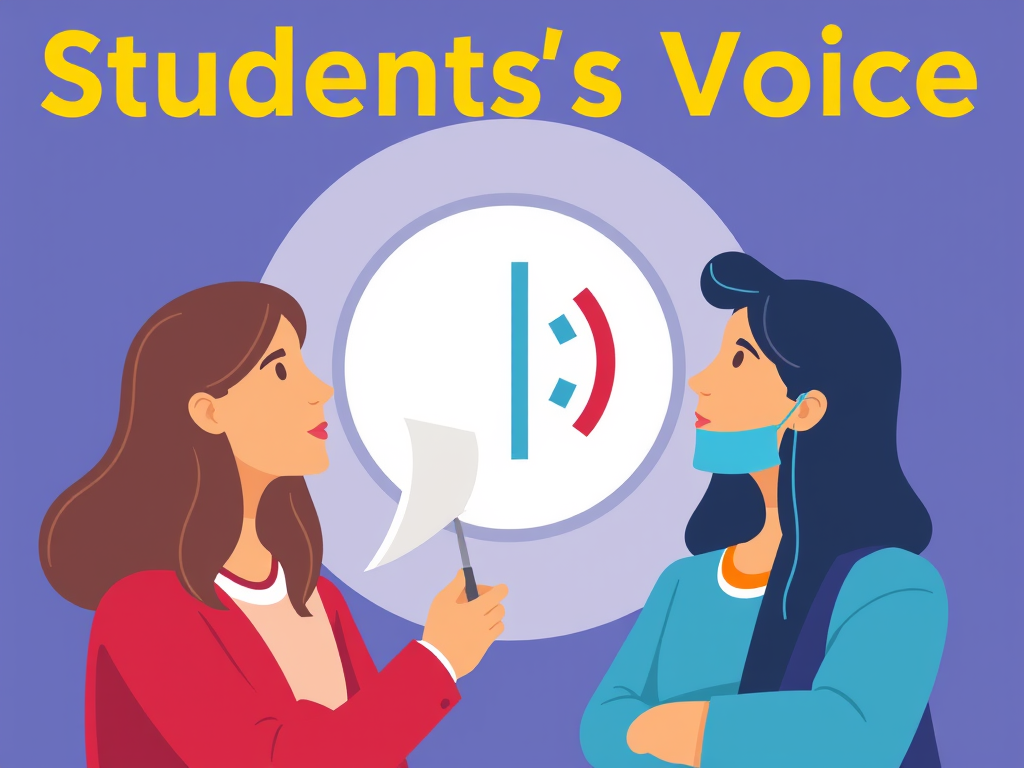
3. Give Students Voice, Choice, and Space to Belong
Yes, choice matters. But it’s more than just picking a book or a seat—it’s about agency.
Let students:
- Set their own goals
- Reflect during conferences
- Choose how they want to express their thinking
When students feel seen and heard, their motivation shifts. Engagement becomes intrinsic. Learning becomes personal.
Flexible seating, workshop models, and student-designed projects are more than trendy—they’re rooted in equity and inclusion.
As Sara K. Ahmed writes in Being the Change:
“Identity work is the heart of meaningful instruction. When students know themselves, they show up differently to the learning.”
4. Explicitly Teach Social and Emotional Comprehension
Standardized teaching ignores the humanity in our students. Don’t fall for that trap.
Instead of waiting for the breakdown, build in SEL lessons proactively—during moments of calm, not chaos.
- Normalize self-regulation
- Use social stories
- Create space for reflective conversations
Teach students how to navigate conflict, name emotions, and advocate for themselves. These are not “extra.” They are essential.
Annie Brock reminds us:
“Mindset matters. Teach kids to believe they can grow—and then give them the tools to do it.”
And Zaretta Hammond echoes that:
“Culturally responsive teaching isn’t about celebrating holidays or food. It’s about creating intellectual capacity through belonging and affirmation.”
Because Education Is Too Important to Standardize
Teaching is not about perfection. It’s about connection, application, and transformation. When we teach with clarity, compassion, and consciousness—we teach beyond the standards.
Let the assessments come. Let the pressure exist. But don’t let it change your why.
Your students are more than a test score.
And so are you.

Let’s keep this conversation going:
Which of these practices are already alive in your classroom? Which one will you commit to bringing back to life this month?
Tag a teacher who’s doing it right. Drop your favorite strategy below. Let’s teach beyond the bubble.
 Bloom with Aubrey