The room had that familiar hum.
Twenty-four middle school voices layered together — pencils tapping, backpacks rustling, whispered side conversations that weren’t exactly off task… but weren’t helping anyone learn either.
I stood at the front of the room thinking about the carefully designed lesson plan—and felt completely disconnected from the moment unfolding in front of me.
I had done everything “right.”
Clear objectives
Organized materials
A solid pacing plan
And yet… I felt it:
The students weren’t with me.
I felt myself slipping into that teacher autopilot:
Tighten control. Move faster. Talk louder. Check more boxes.
But instead… I stopped.
I sat on the edge of a student desk and asked,
“Okay—what’s going on in here today?”
No perfectly worded script.
No redirect protocol.
Just a pause.
It was awkward. And incredibly vulnerable.
That moment reminded me of something Brené Brown teaches:
“Connection is why we’re here. It is what gives purpose and meaning to our lives.”
I had planned for instruction… but I hadn’t planned for connection.
When Courage Meets Clarity
Later that afternoon, as I reflected on that foggy lesson, I thought about Stephen Covey’s words:
“The key is not to prioritize what’s on your schedule, but to schedule your priorities.”
Connection wasn’t missing because I didn’t value it—in truth, it was missing because I hadn’t designed for it.
I expected courage to magically appear in the moment—
But courage needs systems to survive the daily pressure of teaching.
I needed more than reflection.
I needed a reset.
Reset & Recharge
When classrooms feel off, teachers often turn the frustration inward:
Why can’t I manage this class better?
Why doesn’t this lesson ever work?
Why am I so tired?
But what if we paused and asked new questions?
Try This Reset:
Brené Brown reflection:
- Where am I protecting myself instead of connecting?
- What am I afraid to try—or admit I need help with?
Stephen Covey reflection:
- Is what I focused on today actually what mattered most?
- What one habit or routine could help my priorities show up consistently?
Neither courage nor clarity alone will sustain us.
Teachers need space to:
- Reconnect with purpose
- Refine their practice without judgment
- Rebuild their energy
Teaching isn’t meant to run on emotional exhaustion and compliance-driven systems.
It thrives on community, courage, and clarity.
Try This Tomorrow: The 5-Minute Courage Reset
Tomorrow, don’t change the whole system.
Just try this:
Step 1: Start Human (2 Minutes)
Greet students at the door and ask one genuine check-in question:

- What was the best part of your day so far?
- What’s something you’re proud of this week?
Brown reminds us:
“People are hard to hate close up. Move in.”
Move in—emotionally and physically—before diving into content.
Step 2: Anchor Your ‘Why’ (1 Minute)
Before starting your lesson, write this on the board:
Today’s purpose:
Not just to learn _______, but to build _______.
Examples:
- Build confidence in explaining our thinking
- Build persistence with challenging texts
- Build collaboration skills

Covey taught us:
“Begin with the end in mind.”
Let your instructional goals always connect to human outcomes.
Step 3: End with Strength (2 Minutes)
Close class by naming something that went right:
- A student taking a risk
- A group collaborating
- A class refocusing after a tough moment
Brown again:
“What we don’t appreciate devalues.”
Students deserve to be noticed—
and teachers deserve to remember the good they’re growing.

Courage + Clarity = Sustainable Teaching
Brown gives teachers permission to show up imperfect but whole.
Covey gives teachers a structure so their values aren’t buried under busyness.
Together they remind us:
Teaching is not about being flawless.
Teaching is about showing up with heart, anchored in purpose, guided by habits that protect what matters most.
One Last Question
So I’ll leave you with the questions I ask myself often—especially on hard days:
- Where do I need more courage to connect?
- Where do I need clearer habits to protect what matters?
- How do I become the teacher (coach) my students (teachers) need without losing myself in the process?
Because the greatest educators don’t choose between vulnerability or effectiveness.
They lead with both.
Help Spread the word:
When prompted with “how are Brene Brown’s thoughts on inner work and Stephen Covey’s work on outer work connected?” The ChatGPT-generated quotes on their connections. https://chat.openai.com/chat



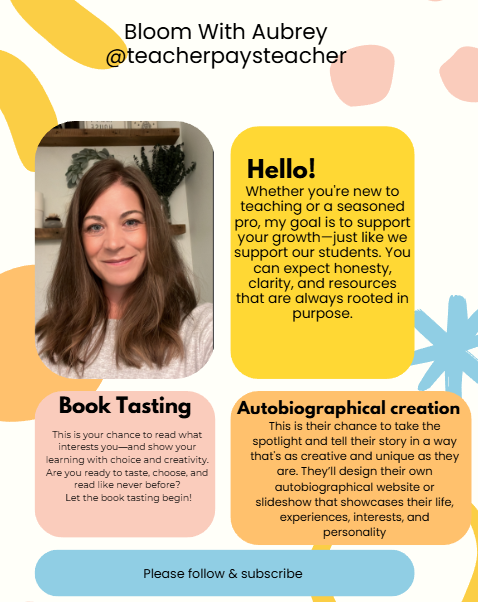
 Bloom with Aubrey