Category: Reading Strategy

  • Close the GAPS

    Close the GAPS

    A Simple Strategy That Helps Struggling Readers Read with Purpose

    Struggling readers don’t usually struggle because they can’t read.
    They struggle because they don’t know how to enter text with confidence.

    When students are handed an essay or article and told to “start reading,” many immediately fall into survival mode. They skim randomly, fixate on unfamiliar words, or disengage altogether. For them, reading feels like guessing—because it is.

    That’s where Close the GAPS changes everything.


    Why Struggling Readers Need a Way In

    Douglas Fisher and Nancy Frey remind us that “students need clarity about what they are reading and why they are reading it before they can engage deeply.” When readers don’t understand the purpose or structure of a text, comprehension becomes accidental instead of intentional.

    Struggling readers often:

    • Don’t recognize genre
    • Don’t know what the author is trying to do
    • Don’t know whose voice they’re reading
    • Don’t know how the text is organized

    So they guess. And on multiple-choice questions, guessing looks like confusion.


    What It Means to “Close the GAPS”

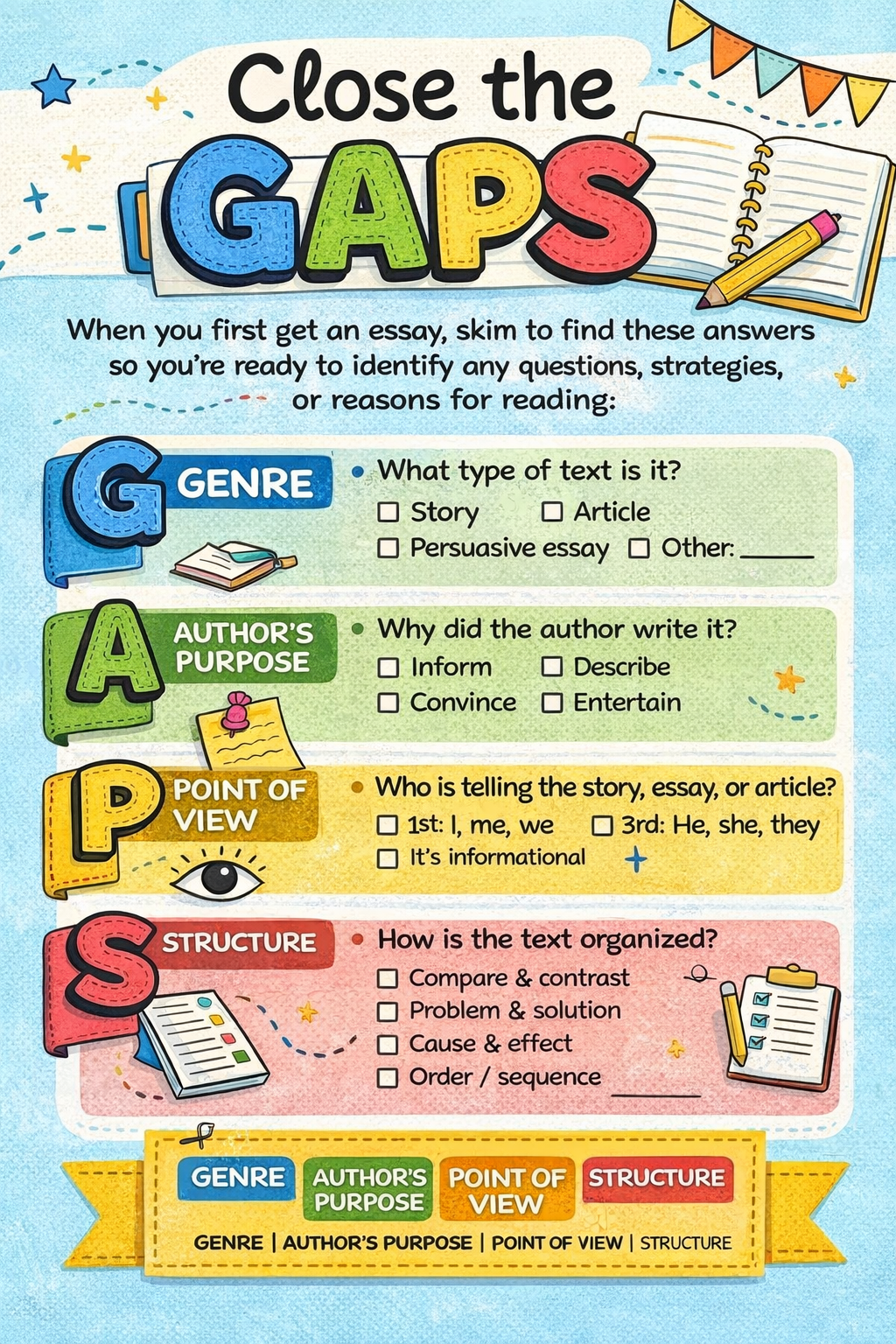
    Close the GAPS is a pre-reading strategy that students use the moment they receive a text. Before reading closely, they skim to identify:
    1. G – Genre: What type of text is this?
    2. A – Author’s Purpose: Why was it written?
    3. P – Point of View: Who is speaking or presenting information?
    4. S – Structure: How is the text organized?

    This is not busywork.
    This is orientation.

    When students identify GAPS first, they are no longer reading blindly—they are reading with a plan.


    Why This Matters for Comprehension (and Confidence)

    Timothy Shanahan emphasizes that comprehension improves when students understand how texts are built, not just what they say. Structure and purpose act like road signs for the reader.

    When students close the GAPS:

    • They anticipate the kinds of questions that may be asked
    • They know where to look for answers
    • They can eliminate distractors more efficiently
    • They understand that multiple answers may seem right—but only one fits the text’s purpose

    This is especially powerful for struggling readers, who often feel overwhelmed by answer choices that all “sound good.”


    Close the GAPS Turns Guessing Into Strategy

    Nell Duke’s research on informational text highlights that students comprehend better when they know what kind of reading they are doing. An argumentative text requires different thinking than a narrative or explanatory one.

    When students know:

    • “This is argumentative,” they expect claims and evidence
    • “This is cause and effect,” they track relationships
    • “This is third-person informational,” they stop searching for opinions

    Suddenly, the text feels predictable—and predictability reduces anxiety.


    Why This Strategy Helps Close Achievement Gaps

    Struggling readers often have fewer academic reading experiences, not fewer abilities. Close the GAPS levels the playing field by making expert reader thinking visible.

    Instead of asking:

    “Why didn’t they get it?”

    We start asking:

    “Did we give them a way into the text?”

    As Fisher and Frey note, when strategies are explicit and repeatable, students begin to internalize them. Close the GAPS is repeatable, quick, and transferable across content areas.

    That’s how gaps close—not through more reading, but through better entry points.


    What This Looks Like in the Classroom

    Teachers introduce Close the GAPS as:

    • A 1–2 minute skim routine
    • An anchor chart students reference daily
    • A shared language across grade levels and content areas

    Students learn to say:

    • “This is informational, so I shouldn’t expect opinions.”
    • “This structure is problem–solution, so the answer must include both.”
    • “The author’s purpose helps me eliminate this choice.”

    That metacognition is the win.


    Final Thought

    Struggling readers don’t need harder texts or longer lessons.
    They need clarity.

    Close the GAPS gives students a way to orient themselves, make sense of multiple answers, and read with intention instead of fear.

    When students know what they’re reading, why they’re reading it, and how it’s built, comprehension stops being a mystery—and starts becoming a skill.

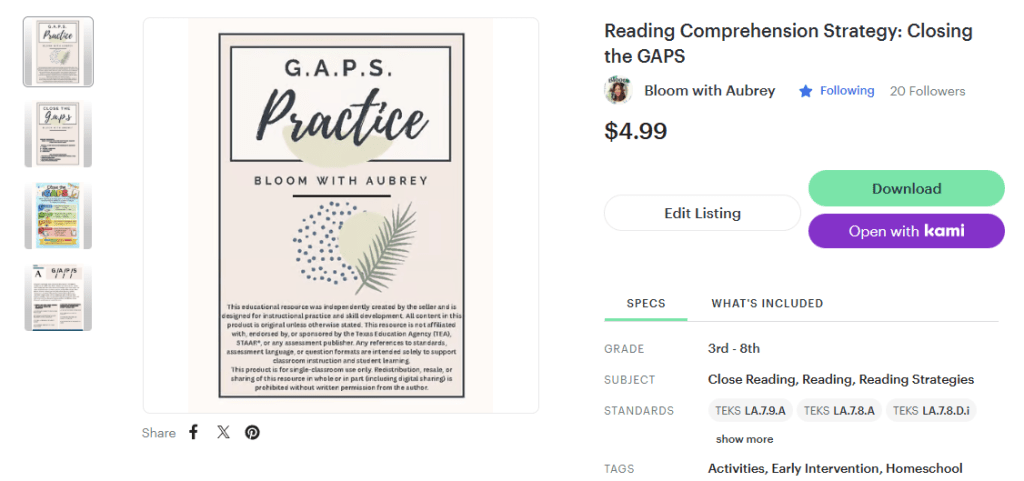
    Practice available on the TPT page – Bloom with Aubrey here https://www.teacherspayteachers.com/Product/Reading-Comprehension-Strategy-Closing-the-GAPS-15090369
  • The Brave Middle of Teaching

    The room had that familiar hum.

    Twenty-four middle school voices layered together — pencils tapping, backpacks rustling, whispered side conversations that weren’t exactly off task… but weren’t helping anyone learn either.

    I stood at the front of the room thinking about the carefully designed lesson plan—and felt completely disconnected from the moment unfolding in front of me.

    I had done everything “right.”

    Clear objectives
    Organized materials
    A solid pacing plan

    And yet… I felt it:

    The students weren’t with me.

    I felt myself slipping into that teacher autopilot:
    Tighten control. Move faster. Talk louder. Check more boxes.

    But instead… I stopped.

    I sat on the edge of a student desk and asked,
    “Okay—what’s going on in here today?”

    No perfectly worded script.
    No redirect protocol.

    Just a pause.

    It was awkward. And incredibly vulnerable.

    That moment reminded me of something Brené Brown teaches:

    “Connection is why we’re here. It is what gives purpose and meaning to our lives.”

    I had planned for instruction… but I hadn’t planned for connection.


    When Courage Meets Clarity

    Later that afternoon, as I reflected on that foggy lesson, I thought about Stephen Covey’s words:

    “The key is not to prioritize what’s on your schedule, but to schedule your priorities.”

    Connection wasn’t missing because I didn’t value it—in truth, it was missing because I hadn’t designed for it.

    I expected courage to magically appear in the moment—
    But courage needs systems to survive the daily pressure of teaching.

    I needed more than reflection.

    I needed a reset.


    Reset & Recharge

    When classrooms feel off, teachers often turn the frustration inward:

    Why can’t I manage this class better?
    Why doesn’t this lesson ever work?
    Why am I so tired?

    But what if we paused and asked new questions?

    Try This Reset:

    Brené Brown reflection:

    • Where am I protecting myself instead of connecting?
    • What am I afraid to try—or admit I need help with?

    Stephen Covey reflection:

    • Is what I focused on today actually what mattered most?
    • What one habit or routine could help my priorities show up consistently?

    Neither courage nor clarity alone will sustain us.

    Teachers need space to:

    • Reconnect with purpose
    • Refine their practice without judgment
    • Rebuild their energy

    Teaching isn’t meant to run on emotional exhaustion and compliance-driven systems.

    It thrives on community, courage, and clarity.


    Try This Tomorrow: The 5-Minute Courage Reset

    Tomorrow, don’t change the whole system.

    Just try this:

    Step 1: Start Human (2 Minutes)

    Greet students at the door and ask one genuine check-in question:

    • What was the best part of your day so far?
    • What’s something you’re proud of this week?

    Brown reminds us:

    “People are hard to hate close up. Move in.”

    Move in—emotionally and physically—before diving into content.


    Step 2: Anchor Your ‘Why’ (1 Minute)

    Before starting your lesson, write this on the board:

    Today’s purpose:
    Not just to learn _______, but to build _______.

    Examples:

    • Build confidence in explaining our thinking
    • Build persistence with challenging texts
    • Build collaboration skills

    Covey taught us:

    “Begin with the end in mind.”

    Let your instructional goals always connect to human outcomes.


    Step 3: End with Strength (2 Minutes)

    Close class by naming something that went right:

    • A student taking a risk
    • A group collaborating
    • A class refocusing after a tough moment

    Brown again:

    “What we don’t appreciate devalues.”

    Students deserve to be noticed—
    and teachers deserve to remember the good they’re growing.


    Courage + Clarity = Sustainable Teaching

    Brown gives teachers permission to show up imperfect but whole.

    Covey gives teachers a structure so their values aren’t buried under busyness.

    Together they remind us:

    Teaching is not about being flawless.
    Teaching is about showing up with heart, anchored in purpose, guided by habits that protect what matters most.


    One Last Question

    So I’ll leave you with the questions I ask myself often—especially on hard days:

    • Where do I need more courage to connect?
    • Where do I need clearer habits to protect what matters?
    • How do I become the teacher (coach) my students (teachers) need without losing myself in the process?

    Because the greatest educators don’t choose between vulnerability or effectiveness.

    They lead with both.

    Help Spread the word:


    When prompted with “how are Brene Brown’s thoughts on inner work and Stephen Covey’s work on outer work connected?” The ChatGPT-generated quotes on their connections. https://chat.openai.com/chat

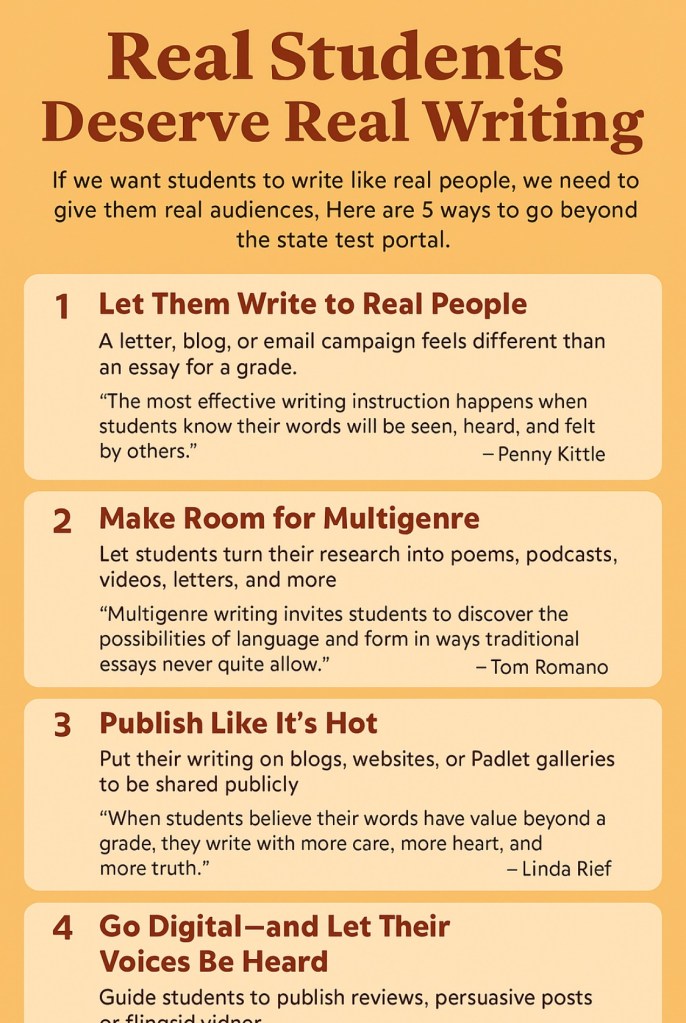
  • Real Students Deserve Real Writing

    Let’s be real. We’ve all seen it:

    “Write a multiparagraph essay explaining how butterflies represent personal growth. Be sure to include a controlling idea, three examples from the text, and an awkward transition sentence that begins with ‘Another example is…’”

    Ah yes. Nothing says “future-ready writer” like robotic sentence stems and vague thematic claims about butterflies.

    Now, don’t get me wrong. State tests exist, and we all know they’re not going anywhere (unless we win the educational lottery and someone accidentally deletes them from the state server forever). But while we prep for the test, we also need to prepare students for life beyond the multiple-choice matrix and pixel-perfect rubrics.

    Because newsflash: our students aren’t standardized, and their writing shouldn’t be either.

    As Kelly Gallagher once said:

    “If students are only writing for the teacher, we are robbing them of the real power of writing.”

    And by “real power,” he means the kind that gets you hired, heard, or published—not just bubbled into a box.

    So how do we balance test prep with writing that actually prepares students for the real world? Here are five ways to make writing feel less like a worksheet and more like a window into the world:


    1. Let Them Write to Real People (No offense to you, Teacher.)

    Letters to the school board. Advice blogs for incoming 6th graders. Email campaigns to local leaders. When students write to someone besides you, it shifts everything.

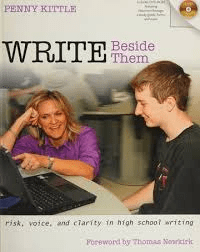
    “The most effective writing instruction happens when students know their words will be seen, heard, and felt by others.”
    Penny Kittle, Write Beside Them

    Real audience = real effort. Also, they proofread more when someone other than you is reading (go figure).


    2. Make Room for Multigenre (A Test Prompt Would Never…)

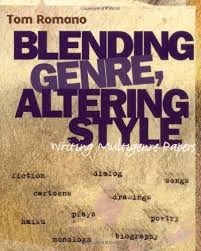
    Let students turn their research into a podcast script, a social media thread, a spoken word poem, or a visual letter. Enter: Tom Romano, the multigenre guru.

    “Multigenre writing invites students to discover the possibilities of language and form in ways traditional essays never quite allow.”
    Tom Romano, Blending Genre, Altering Style

    Because let’s be honest: in the real world, no one’s asking them to write a five-paragraph essay about the moon’s symbolism in Hatchet. But they might need to write a grant application, an Instagram caption, or a campaign speech someday.


    3. Publish Like It’s Hot

    Use Google Sites, Flip videos, Padlet galleries, or student blogs. Host a digital gallery walk. Let their words go live.

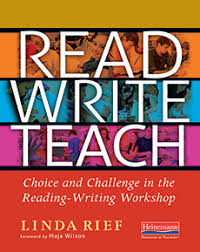
    “When students believe their words have value beyond a grade, they write with more care, more heart, and more truth.”
    Linda Rief, Read Write Teach


    4. Go Digital—and Let Their Voices Be Heard

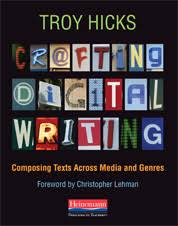
    According to Troy Hicks:

    “If we want students to write well in the 21st century, we need to teach them how to write for digital spaces where their work can live and breathe.”
    Troy Hicks, Crafting Digital Writing

    Give them a platform. Let them write reviews, record podcasts, or write persuasive posts. They’re already content creators—we just need to teach them how to do it with craft, clarity, and purpose.


    5. Write What Matters (Even if It’s Not Test-Aligned)

    Have you ever seen a student light up over a standardized prompt? Exactly.

    But give them the chance to write about their neighborhood, their grandmother’s tamales, or what it feels like to be them in this moment—and suddenly, their voice shows up like a guest star on opening night.

    “When students write in a personal voice, when they write what they care about, their writing begins to matter—to them, and to others.”
    Ralph Fletcher, What a Writer Needs

    You don’t have to choose between writing from the heart and writing for the test. You can do both. Just don’t let the test be the only writing that matters.


    In Conclusion: Stop Pretending the Rubric is the Real World

    Nancie Atwell reminds us:

    “Writing is thinking. It is the way we come to know ourselves and our world.”
    In the Middle

    So yes—give them structure, give them models, and give them strategies. But also, give them a reason to write beyond points and paragraphs.

    Because standardized writing might get them a score.
    But authentic writing?
    That’s what gets them heard.

  • Shifting the Reading Lens: Key Themes from Today’s Best Literacy Thinkers

    The reading landscape is changing in today’s classrooms—and for the better. Educators are moving from rigid, teacher-centered instruction to engaging, student-driven reading experiences. This shift isn’t about abandoning structure or rigor—it’s about finding a better balance between whole-class novels, independent reading, and authentic student voice.

    Choice is Non-Negotiable

    Let’s be honest: students don’t fall in love with reading because we assign it. They fall in love when they find the right book at the right time.

    “Students must have books they can and want to read.” – Penny Kittle, Book Love

    Across books like Book Love, Disrupting Thinking, and No More Fake Reading, the message is clear: reading choice fosters engagement, stamina, and identity. By giving students a say in what they read, we validate their interests and build habits that outlast the school year.

    Balance Whole-Class Novels with Independent Reading

    Kate Roberts frames this perfectly in A Novel Approach:

    “When we treat the whole-class novel as one piece of a larger reading puzzle… we create room for rigor and relevance.”

    Rather than ditching whole-class novels, these educators show us how to frame them as shared texts that spark discussion, teach literary elements, and model thinking. But to reach every reader, those novels must live alongside personal, high-interest reading.

    Teach Students How to Think, Not Just What to Say

    So often, reading instruction becomes about the “right answer.” But true literacy happens when students are empowered to think deeply, ask questions, and construct meaning.

    “Reading is not about right answers—it’s about thinking.” – Kylene Beers & Robert Probst, Disrupting Thinking

    Whether we use signposts, notebook entries, or Socratic discussions, the goal is always the same: equip students to be independent, thoughtful readers of any text—not just the ones we assign.

    Reading and Writing Are Reciprocal

    Gallagher and Kittle remind us in 180 Days that reading and writing aren’t separate acts; they’re mutually reinforcing.

    “Reading is breathing in. Writing is breathing out.” – Kelly Gallagher

    By blending mentor texts, quick writes, and book clubs, these educators demonstrate how students grow stronger in both areas when the skills are taught in tandem.

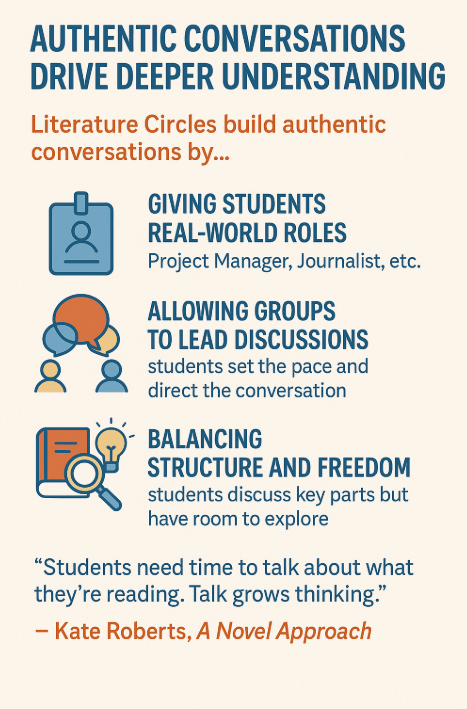
    Authentic Conversations Drive Deeper Understanding

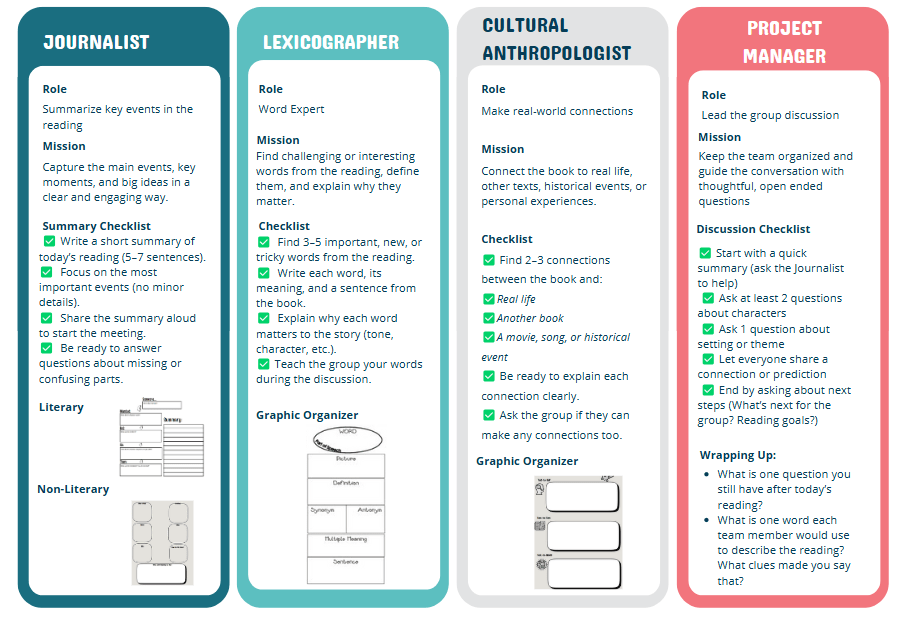
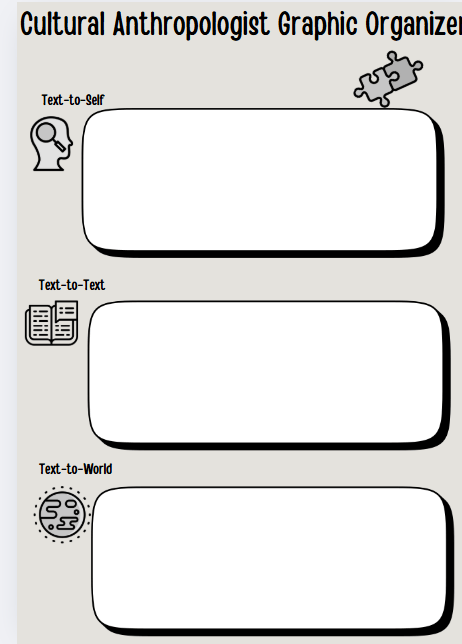
    Literature Circles are one of the most powerful ways to build these authentic conversations. In a well-run Literature Circle, students take on real-world roles (Project Manager, Journalist, Communications Specialist) and collaborate to explore the book deeply and independently.

    “Students need time to talk about what they’re reading. Talk grows thinking.” – Kate Roberts, A Novel Approach

    When students are trusted with ownership—leading discussions, analyzing characters, tracking themes—they don’t just perform understanding; they build it.
    Literature Circles offer an ideal blend of structure and freedom: students know their responsibilities, but they get to direct the discussion, make connections, and challenge each other’s ideas in meaningful ways.

    Through Literature Circles, students develop:

    • Critical thinking skills (analyzing, questioning, connecting)
    • Communication and collaboration abilities
    • A deeper sense of agency over their own learning

    When used thoughtfully, Literature Circles reflect all the best practices emphasized by today’s literacy experts: choice, authentic talk, and intellectual independence. (Literature Circles Roles and Resources @https://www.teacherspayteachers.com/store/bloom-with-aubrey)

    Final Thought: It’s About Growth Not Control

    What ties all of these educators together is a belief in students as capable, growing, authentic readers. Our job is to create an environment that supports that growth—not stifles it with rigid expectations.

    If you’re just beginning this journey, start small:

    • Add 10 minutes of choice reading.
    • Let students select one novel from a curated list.
    • Use Literature Circles to make discussion more student-led.
    • Model your own reading life through a quick book talk.

    Then, watch what happens. As Penny Kittle reminds us:

    “Every kid deserves the right to be seen as a reader.”

    And with the right approach? They will be.

  • Reconnect with Your Purpose

    Reconnect with Your Purpose

    As the school year winds down and your coffee cup has officially replaced your water bottle, it’s the perfect time to hit pause. The final weeks of school are like the last 10 minutes of a workout—you’re sweaty, exhausted, slightly delirious, but somehow still standing. And now? It’s reflection season.

    This time of year invites more than just countdowns to summer. It’s a chance to zoom out and ask the big questions:
    Why did I become a teacher? Am I still connected to that? And how did I survive that one Tuesday in February?!

    Even the most passionate educators can feel a little worn down by standardized tests, parent emails, and the black hole that is staff meetings. But here’s the good news: your purpose isn’t lost—it’s just under a pile of permission slips and half-used Expo markers.

    So before you sprint into summer break, take a breath. Inspired by the soul-soothing wisdom of Jay Shetty and the no-BS motivation of Mel Robbins, here are 6 ways to reflect, reconnect, and rediscover why you do what you do.

    Spoiler: You’re doing way better than you think.

    Reflect on Your Origin Story

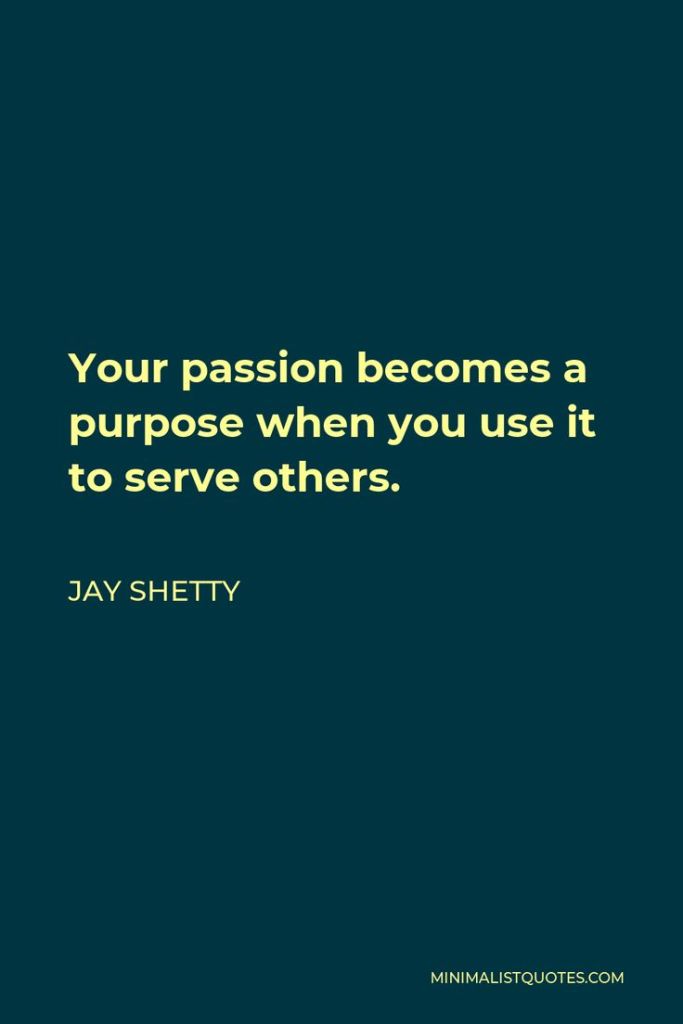
    “Your passion is for you. Your purpose is for others.” — Jay Shetty

    Take a few minutes to think back: What made you become a teacher in the first place? Was it a magical moment in your own schooling? A teacher who believed in you? A deep love of literature, science, or helping kids find their voice?

    Or maybe you just really like whiteboard markers and repeating yourself—no judgment.

    Whatever it was, your origin story still lives inside you. Reconnecting with it is like rebooting your inner GPS. It won’t necessarily make the copier stop jamming, but it will help you remember why all the chaos is worth it.

    Pro tip: Journal it. Or voice note it. Or tell it dramatically to your dog. Just get it out.

    Practice the 5-Second Rule

    “If you have an instinct to act on a goal, you must physically move within 5 seconds or your brain will kill it.” — Mel Robbins

    No, not the “pick-it-up-off-the-floor-before-it’s-gross” rule (although, respect if that’s how you power through snack duty). This 5-second rule is Mel Robbins’ signature move, and it’s all about taking action before your brain talks you out of it.

    Got an idea to try something new in class next year? Thinking about starting that teacher podcast or book club?

    ****Count down: 5-4-3-2-1—go! Write it down. Send the email. Order the book. Don’t let hesitation become your hobby.

    Purpose isn’t a passive feeling—it’s built in moments of tiny courage.

    Keep a “You’re Actually Crushing It” Journal

    Sometimes, in the hustle of teaching, you forget that you’re actually doing a great job. Enter: the purpose journal. No, not the kind you need glitter pens for (unless you’re into that). Just a simple spot where you jot down:

    • That student who finally smiled at you.
    • The lesson that didn’t flop.
    • The parent email that said, “Thank you.”
    • That time you didn’t cry in the book closet.

    This is your evidence. As Mel Robbins says, confidence comes from proof. And proof doesn’t have to be big. It lives in the ordinary magic you create every day, often without even realizing it.

    Write a Mission Statement

    Forget the jargon. This isn’t about buzzwords. It’s about getting real with yourself. Try this prompt:

    “As a teacher, I’m here to…”

    Fill in the rest with heart, honesty, and zero concern about sounding polished. Maybe it’s:

    “…help kids feel seen and safe.”
    “…teach math in a way that makes sense (and is kinda fun).”
    “…be the adult I wish I had at that age.”

    Put that mission somewhere visible—your desk, your laptop wallpaper, your coffee mug. Let it anchor you when you feel like you’re floating in a sea of grading and school policies.

    Final Thoughts

    You’ve made it through another school year. That alone is wildly impressive. If your passion feels a little low right now, that’s not failure—it’s a sign you’ve given a lot. Reconnecting with your purpose isn’t about doing more. It’s about remembering who you are underneath the to-do lists.

    So breathe. Reflect. Celebrate. You’re doing real work that matters—even if it sometimes feels like controlled chaos with extra hall duty.

    And as Jay Shetty might say: “Don’t chase your purpose—live it.”

    Teaching is better when we don’t do it alone. What’s something that helped you reconnect with your purpose this year? Hit reply, leave a comment– bonus points if it involves an instructional coach, teacher colleague, or unexpected student wisdom.

  • Keep the Spark:High Yield Strategies to Engage Students at the End of the Year

    As the school year winds down, it’s tempting to think the finish line signals a time to coast. But in reality, the final stretch is one of the most critical moments for student engagement, motivation, and connection. It’s when we either solidify the year’s gains—or risk letting them fade.

    The good news? You don’t need a massive overhaul. You just need a few high-yield strategies and a little bit of intentionality. Let’s dive into some practical, research-backed ways to make these last weeks count, along with insights from some of education’s most trusted voices.

    • Keep Expectations High—and Visible
      “What you permit, you promote.”Brian Mendler
      It’s easy to relax your standards when the countdown begins. But students need boundaries more than ever when structure starts to fade. Consistent routines, visible behavior expectations, and clear consequences reduce anxiety and prevent springtime chaos. Mendler reminds us that consistency is compassion—especially for students who rely on structure for success.
      🔹 Try this: Revisit your classroom norms with students. Make it a class discussion and have them reflect on what’s helped them thrive this year.
    • Keep Participation Techniques Tight
      “Technique trumps charisma.”Doug Lemov
      Doug Lemov, author of Teach Like a Champion, emphasizes that strong, intentional strategies outperform personality alone—especially when attention spans are short. High-engagement techniques like Cold Call, No Opt Out, and Everybody Writes aren’t just for the beginning of the year. They’re especially powerful now.
      🔹 Try this: Use “Turn and Burn”—have students write a short response, turn to a partner, and share immediately. This combo of writing, movement, and discussion keeps the energy up.
    • Add Purposeful Creativity
      “Don’t just teach a lesson—create an experience.”Dave Burgess, Teach Like a Pirate
      By late spring, students have seen hundreds of lessons. Break the pattern. Use thematic days, role-play simulations, menus, or project-based tasks to bring relevance and novelty into the room. Burgess advocates for teaching in a way that’s unpredictable and unforgettable. Engagement doesn’t have to mean silliness—but it should mean curiosity and connection. When students have authentic opportunities to contribute, their engagement skyrockets. Use choice boards, book tastings, genius hour, or student-led discussions to allow space for reflection and exploration.
      🔹 Try this: Create a “Real World Remix” week where students apply what they’ve learned in authentic ways—pitching solutions, designing campaigns, or teaching a mini-lesson to peers.
      • Try this: End the year with a “Pass the Torch” activity—students create advice and encouragement for next year’s learners.

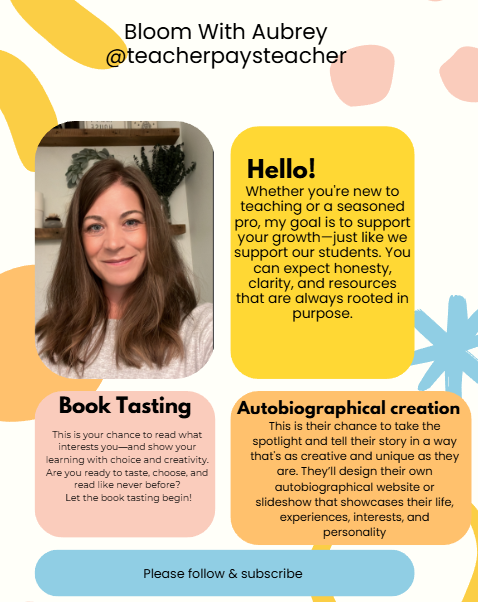
    Try a Book Tasting with a Menu Board or a Autobiography Google Site

    https://www.teacherspayteachers.com/store/bloom-with-aubrey

    • Relationships Over Routines
      “Connection isn’t just part of the work—it is the work.”Brian Tolentino
      Brian Tolentino reminds us that the best instructional strategies are only as strong as the relationships they’re built on. Use these weeks to intentionally restore, reconnect, and reaffirm relationships with students. Ask about their goals. Laugh with them. Tell them what you’ve noticed they’ve improved on.
      🔹 Try this: Set a goal to write or say something specific and positive to five different students per day. Be intentional. Name their growth.

    The final weeks are not a time to “wind down”—they’re a chance to leave a lasting impression. Lean into structure, spark curiosity, strengthen relationships, and let your students finish strong—because they deserve your best until the very end.

    “The job of a teacher is not to cover the curriculum. It is to uncover the potential.”Dave Burgess

  • Welcome to Bloom with Aubrey

    Hey there, I’m Aubrey – Welcome to Bloom with Aubrey!

    I’m so excited you’ve found your way here! I’m a middle school educator, instructional coach, and resource creator with 18 years of experience in public education. I am passionate about helping teachers grow with purpose, strategy, and confidence.

    My journey in education started in the classroom as a 4th-grade teacher, teaching reading, writing, and social studies to diverse groups of middle schoolers—including English Language Learners and students reading below grade level. It was in those early years that I realized how powerful the right strategies can be, especially when they’re grounded in research and practical for the real world of teaching.

    Over time, my role evolved into instructional coaching, where I began supporting teachers across grades K–8. Whether through modeling and planning lessons, leading PLCs, or designing curriculum resources, I found myself constantly coming back to one mission: to bridge the gap between best practices and what’s actually doable in a busy classroom.

    That’s where Bloom with Aubrey comes in.

    This blog is a space for educators who want more than quick tips or trendy ideas. Here, you’ll find:

    • Research-based teaching strategies made simple and actionable
    • Scaffolded writing and literacy tools that work across content areas
    • Real, ready-to-use classroom resources
    • Encouragement and coaching for teachers at every stage

    Whether you’re new to teaching or a seasoned pro, my goal is to support your growth—just like we support our students. You can expect honesty, clarity, and resources that are always rooted in purpose.

    Thanks for being here. Let’s grow together.