The reading landscape is changing in today’s classrooms—and for the better. Educators are moving from rigid, teacher-centered instruction to engaging, student-driven reading experiences. This shift isn’t about abandoning structure or rigor—it’s about finding a better balance between whole-class novels, independent reading, and authentic student voice.
Choice is Non-Negotiable
Let’s be honest: students don’t fall in love with reading because we assign it. They fall in love when they find the right book at the right time.
“Students must have books they can and want to read.” – Penny Kittle, Book Love
Across books like Book Love, Disrupting Thinking, and No More Fake Reading, the message is clear: reading choice fosters engagement, stamina, and identity. By giving students a say in what they read, we validate their interests and build habits that outlast the school year.
Balance Whole-Class Novels with Independent Reading
Kate Roberts frames this perfectly in A Novel Approach:
“When we treat the whole-class novel as one piece of a larger reading puzzle… we create room for rigor and relevance.”
Rather than ditching whole-class novels, these educators show us how to frame them as shared texts that spark discussion, teach literary elements, and model thinking. But to reach every reader, those novels must live alongside personal, high-interest reading.
Teach Students How to Think, Not Just What to Say
So often, reading instruction becomes about the “right answer.” But true literacy happens when students are empowered to think deeply, ask questions, and construct meaning.
“Reading is not about right answers—it’s about thinking.” – Kylene Beers & Robert Probst, Disrupting Thinking
Whether we use signposts, notebook entries, or Socratic discussions, the goal is always the same: equip students to be independent, thoughtful readers of any text—not just the ones we assign.
Reading and Writing Are Reciprocal
Gallagher and Kittle remind us in 180 Days that reading and writing aren’t separate acts; they’re mutually reinforcing.
“Reading is breathing in. Writing is breathing out.” – Kelly Gallagher
By blending mentor texts, quick writes, and book clubs, these educators demonstrate how students grow stronger in both areas when the skills are taught in tandem.
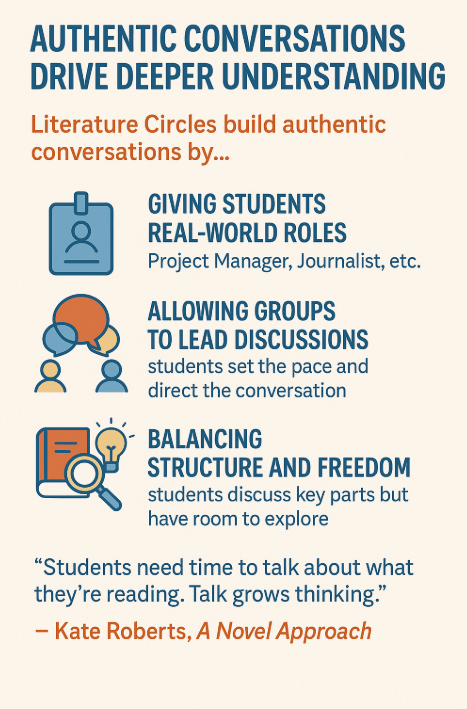
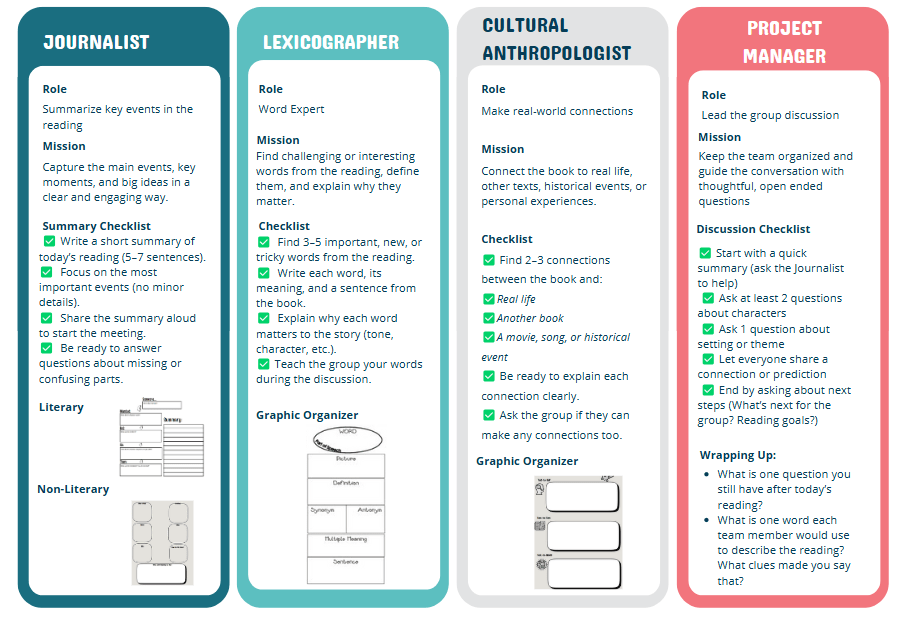
Literature Circles are one of the most powerful ways to build these authentic conversations. In a well-run Literature Circle, students take on real-world roles (Project Manager, Journalist, Communications Specialist) and collaborate to explore the book deeply and independently.
“Students need time to talk about what they’re reading. Talk grows thinking.” – Kate Roberts, A Novel Approach
When students are trusted with ownership—leading discussions, analyzing characters, tracking themes—they don’t just perform understanding; they build it. Literature Circles offer an ideal blend of structure and freedom: students know their responsibilities, but they get to direct the discussion, make connections, and challenge each other’s ideas in meaningful ways.
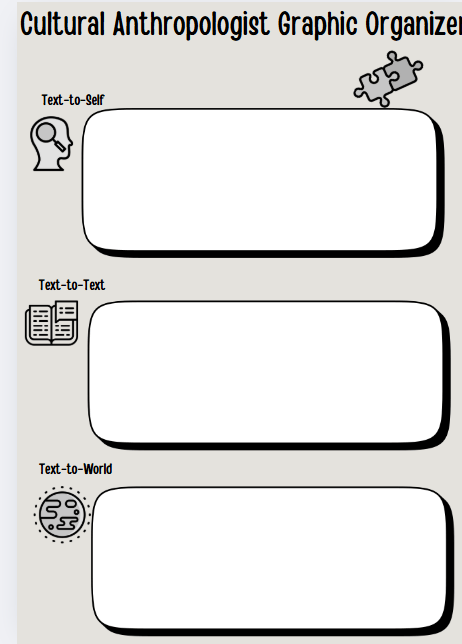
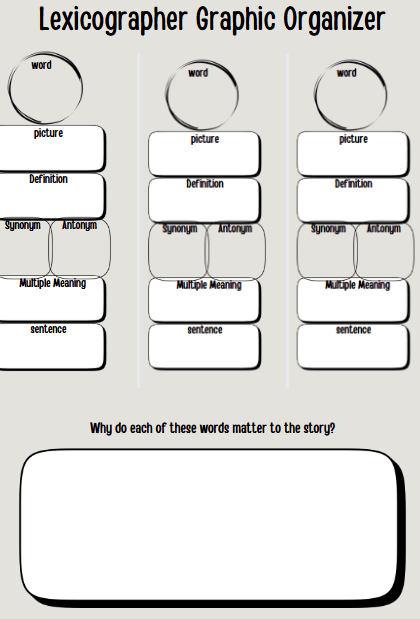
When used thoughtfully, Literature Circles reflect all the best practices emphasized by today’s literacy experts: choice, authentic talk, and intellectual independence. (Literature Circles Roles and Resources @https://www.teacherspayteachers.com/store/bloom-with-aubrey)
Final Thought: It’s About Growth Not Control
What ties all of these educators together is a belief in students as capable, growing, authentic readers. Our job is to create an environment that supports that growth—not stifles it with rigid expectations.
If you’re just beginning this journey, start small:
Add 10 minutes of choice reading.
Let students select one novel from a curated list.
Use Literature Circles to make discussion more student-led.
Model your own reading life through a quick book talk.
Then, watch what happens. As Penny Kittle reminds us:
“Every kid deserves the right to be seen as a reader.”


 Bloom with Aubrey
Leave a comment